



Why Do Women Sleep Less Well at Certain Stages of Life?
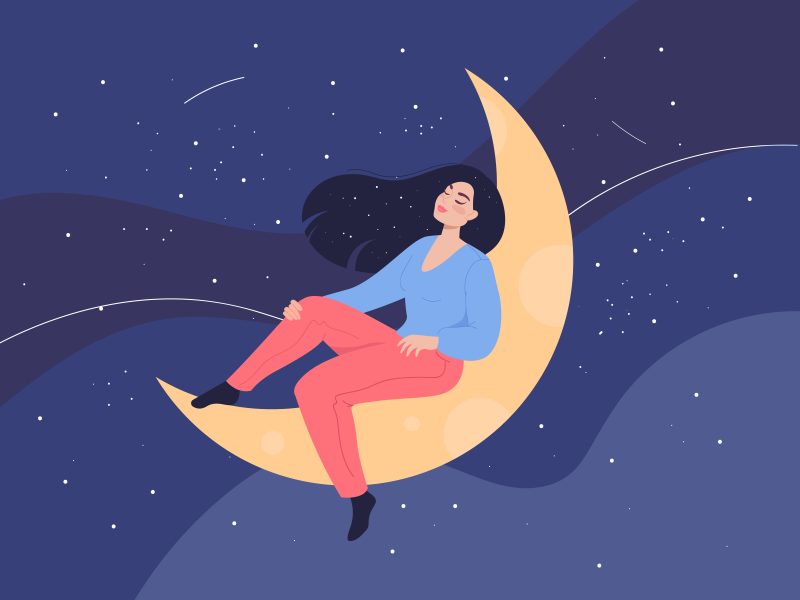
Sleep is a vital pillar of health. Yet many women notice that their sleep becomes lighter, more fragmented or less restorative at certain stages of life. Hormones play a central role in these variations. Understanding these mechanisms helps identify natural solutions to restore peaceful nights and improve quality of life in the long term.
The role of hormones in sleep
Female hormones directly influence sleep quality. Oestrogen promotes deep sleep, while progesterone has a slightly sedative effect. When these hormones fluctuate, sleep balance can be disrupted.
During perimenopause and menopause, the decline in oestrogen and progesterone is often
associated with insomnia and night-time awakenings. Melatonin, the key hormone for falling asleep, also decreases with age, worsening these issues. This explains why women are more affected than men by sleep disorders at different stages of life.
When is women’s sleep most affected?
Premenstrual Syndrome (PMS)
A few days before menstruation, the drop in progesterone often leads to insomnia or lighter sleep. These disturbances are frequently accompanied by irritability and headaches. Nearly 1 in 2 women report PMS-related sleep issues.
Pregnancy
During pregnancy, physical discomfort (back pain, frequent urination) and anxiety cause frequent awakenings. The first trimester can be marked by increased drowsiness, while the third trimester often brings insomnia due to hormonal changes and the growing belly.
Perimenopause and Menopause
With declining oestrogen and progesterone, night-time hot flushes strongly disrupt sleep. The reduced melatonin level also makes it harder to fall asleep. More than 60% of menopausal women report sleep disturbances.
Natural solutions to improve sleep
Lifestyle
Keeping regular sleep hours, limiting caffeine and creating the right bedroom environment (cool, completely dark, quiet) encourages deep, restorative sleep.
Stress management
Regular practice of breathing techniques, meditation or yoga lowers cortisol (the stress hormone), making it easier to fall asleep and improving sleep quality.
Plants and nutrients
Lemon balm, eschscholzia, magnesium and vitamin B6 are traditionally recognised natural allies. They are traditionally used to help the body relax in the evening and contribute to improving sleep onset and quality.
Pharmalp Women’s Health products
PHARMALP SLEEP
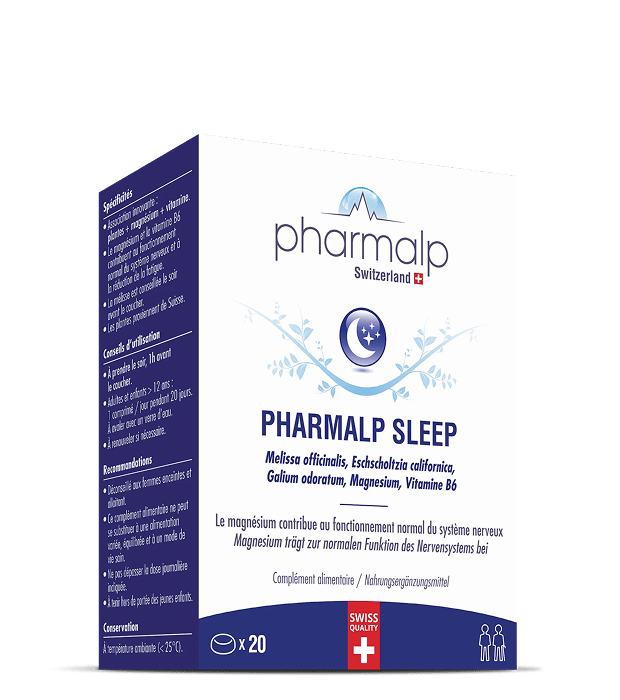
Helps calm the body in the evening by supporting the proper functioning of the nervous system. It helps reduce fatigue during the day and thus facilitates rest and recovery at night, for a more peaceful and restful sleep.
FEMINA MOOD
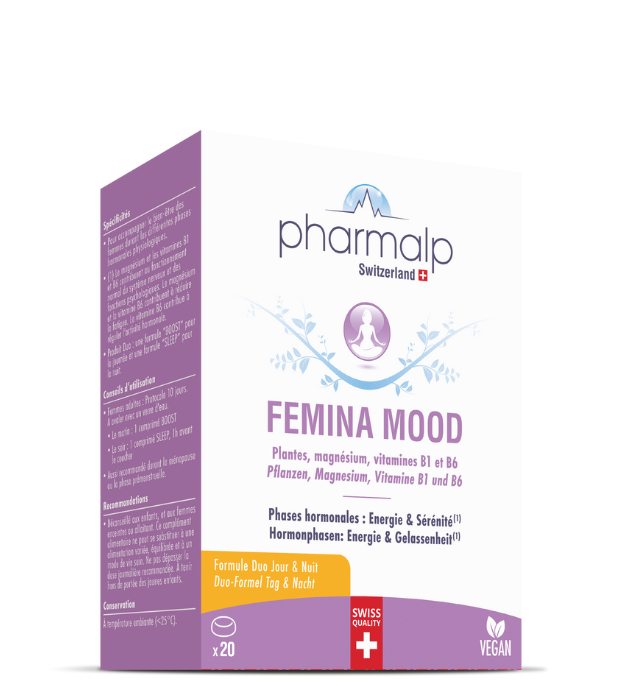
Designed to support emotional balance, it helps to better manage stress, a major factor in sleep disorders, and promotes a feeling of calm and relaxation for both the body and mind by supporting the proper functioning of the nervous system.
Approved by users: More than 8 out of 10 women are satisfied with the product and find that it meets their expectations (Expansion 2023 study).
When to consult a healthcare professional
If sleep disturbances last more than three weeks, become disabling, or are accompanied by severe tiredness, it is advisable to consult a healthcare professional to rule out medical causes such as sleep apnoea or thyroid disorders.
Common questions
Is it normal to have trouble sleeping before my period?
Yes. Premenstrual syndrome is often associated with sleep disturbances due to hormonal fluctuations..
Do sleep problems increase during menopause?
Yes. The decline in oestrogen and progesterone promotes insomnia and night-time awakenings.
Can sleep be improved with supplements alone?
Supplements can help, but good sleep hygiene and stress management are essential for long-lasting results.
Which natural supplements are the most effective?
Valerian, lemon balm, magnesium and vitamin B6 are among the most widely documented ingredients in scientific literature, with numerous studies describing their benefits.
Pharmalp products offer formulas developed using a scientific approach and validated by users.